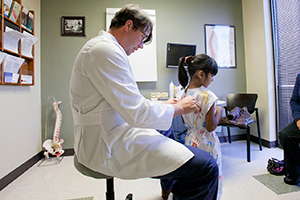
Learn more about the providers at Texas Spine and Scoliosis, the only spine specialized neurosurgery, orthopedic surgery, and non-surgical rehabilitation group in the central Texas area.

I really love gardening. I do a lot of stuff on the ground, and because of that I always have to be tilting my neck and twisting and that kind of thing. So, gardening and reading—I’m a big bibliophile.
My neck problems originally started in about 2010. I woke up and I had a really, really bad neck pain. I thought maybe I'd slept wrong. It continued for several days.
I went to a doctor that's now retired, and he took some X-rays and MRI and said, you know, there’s really nothing there. I just think you slept wrong. But it persisted on and off. I kind of gave it thought, kind of didn't.
Around 2017, the pain was bad enough that I went to an orthopedic and decided to have them take a look at it. They did some scans and said, okay, you have some very mild deterioration in some of your vertebrae—nothing to worry about, just some PT will take care of it. It hurt too much basically.
So I went to an orthopedic surgeon and he recommended that I have an anterior cervical discectomy and fusion—an ACDF—and he showed me why, and I agreed. Unfortunately, that procedure failed for a number of reasons.
What attracted me the most to Dr. Truumees when I researched him was he was interested in: How is the patient moving right now? How is the patient going to move if we do the surgery? How is this patient—how should they be able to move afterward? My biggest thing with him was: I need a quality of life.
I had stopped gardening over a year ago. I could not read for longer than five or ten minutes without pain, which means that I had stopped reading. And what happens is that when you lose the things that are your hobbies and that are therapeutic for you, you get depressed.
He was interested in “We have to give you back your quality of life.” And that’s what happened.
I have absolutely no pain in my neck. I have more mobility now, more range of motion. I can swivel in ways I could not swivel before. I can pivot. I can tilt. I can rotate. I can see the stars at night, which I had not been able to see for a very long time.
The whole time I have to say that I’m really thankful to him and all of the team that he works with, because they always act like they have the time in the world to talk to me—including Dr. Truumees. And I know he’s a very busy man. He was very, very clear about things and never got annoyed with any of my questions, at least not that I could tell.
Texas Spine and Scoliosis is a regional referral center for the treatment of back and neck pain and scoliosis
Learn more about the providers at Texas Spine and Scoliosis, the only spine specialized neurosurgery, orthopedic surgery, and non-surgical rehabilitation group in the central Texas area.
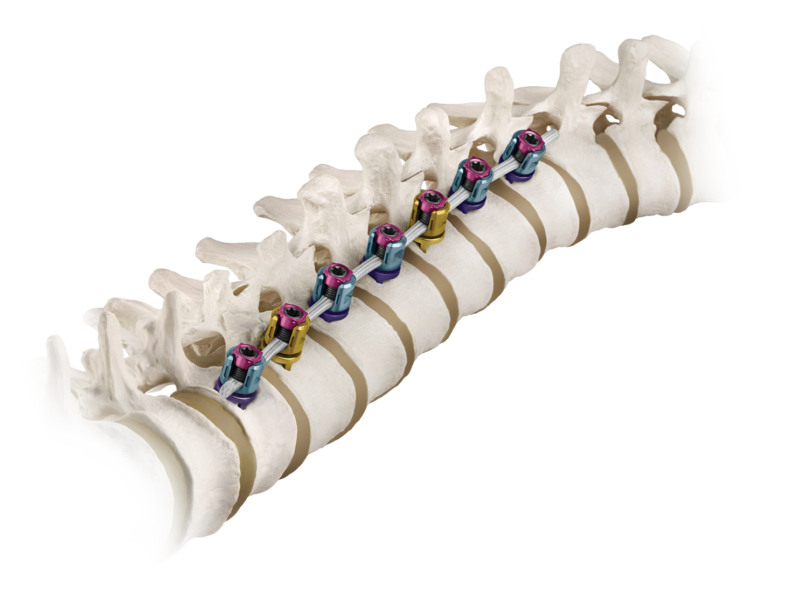 Texas Spine & Scoliosis approved for the new BRAIVE scoliosis tethering study
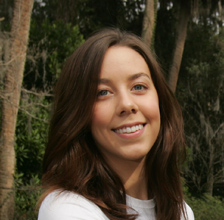
Read about various patient success stories that have been performed by the physicians at Ascension Texas Spine & Scoliosis
 Website Design & All Educational Content © Copyright 2023 Prizm Development, Inc. Developing Centers of Excellence for Better Healthcare.

 We Value Your Privacy